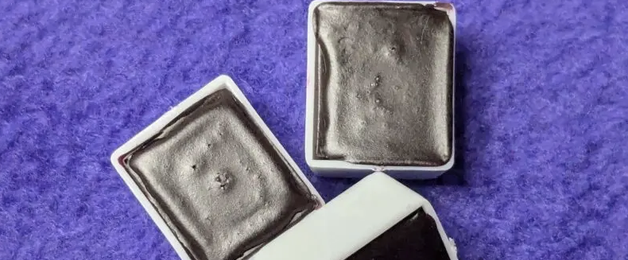
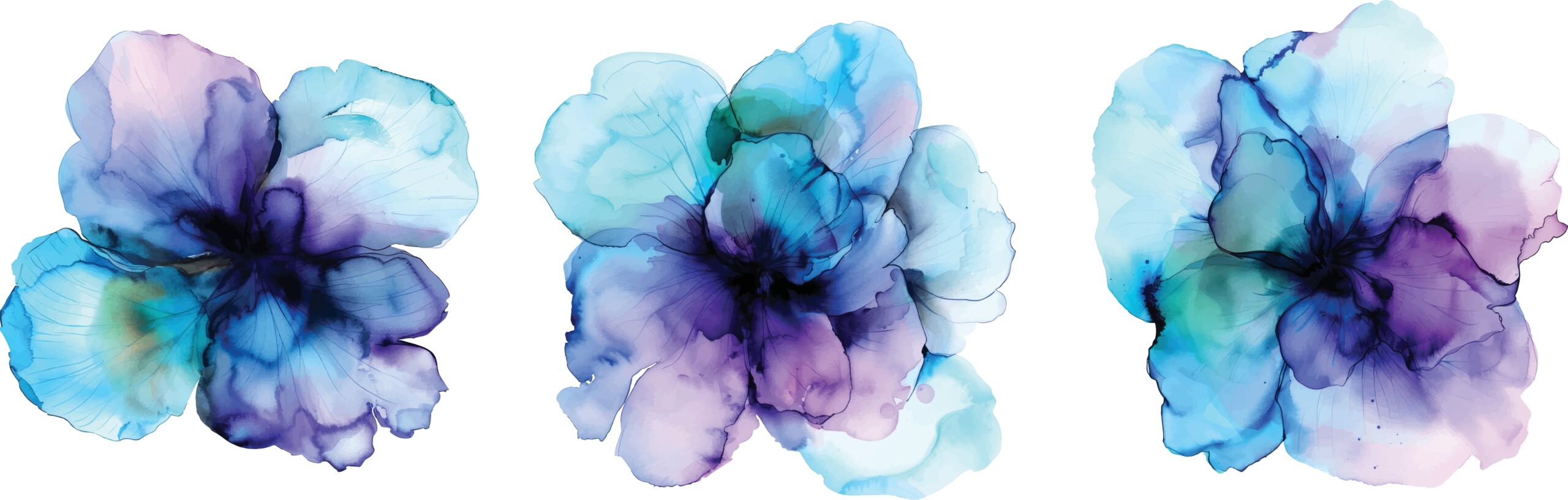
Maya Blue, or Sacrificial Blue, is, to this day, a symbol of the Mayan Empire’s lasting devotion to their Gods. The color itself was used to paint sacrificial items and people blue to symbolize that they now belonged to the Gods. While Aunt Mimi doesn’t make this color exactly, as it can’t be reproduced traditionally, we like to think some of our blues are inspired by the creativity and dedication of the Mayans!

The Maya used primitive tools, including clay pots and fire, to fuse indigo dye made from the añil plant, to palygorskite, a rare clay mineral with a crystal lattice structure. This is a type of nanotechnology. The lattice protected the organic dye so well that even industrial modern era solvents and acids cannot fade the dye. The dye holds up against wind and rain, being submerged in water such as at Chichen Itza, and against traditional paint fading due to exposure to sunlight. The lost Maya methods of making Maya Blue pigments may never be rediscovered, but it is clear that incredible innovation was a key part to their ancient civilization.
The pigment Maya Blue covers bodies of captives shown in murals moments before execution. It appears in incense burners, ceremonial pottery, and the walls of temples associated with rainfall and fertility rights, and is consistently linked to sacrifice, death, and communication with the divine rather than being used as ordinary decoration.

Modern reproduction attempts at making Maya Blue prove that making the color was a grueling process. Slight differences in temperature can lead to faded and duller pigment, or less stable pigments. The Maya would have had to have been incredibly consistent in their production of Maya Blue, and seem to have created perfect conditions with which to make the pigment using far less modern tools and implements. Modern scientists still cannot fully recreate Maya Blue, the indestructible pigment.
Today, you can see Maya Blue in the Temple of the Warriors at Chichen Itza, the Cenote Sagrado offerings at the Peabody Museum, Harvard University, ceramic vessels in the National Museum of Anthropology, Mexico City, and The murals of Bonampak, Chiapas. The murals of Bonampak, Chiapas is the most extensive surviving Mayan mural program.